Industrial Belt Conveyors
A belt conveyor carries parts from one station to the next along a defined route through the production line.
Conveyor dimensions and layout are specified for the material being moved and the requirements of the production process.
Benefits for Your Production
A belt conveyor keeps material moving between production stations. A layout suited to the application can reduce repeated manual handling and help operators organise the order in which parts reach each workstation. Equipment selection depends on the material and the space available.
Production Line Use Cases
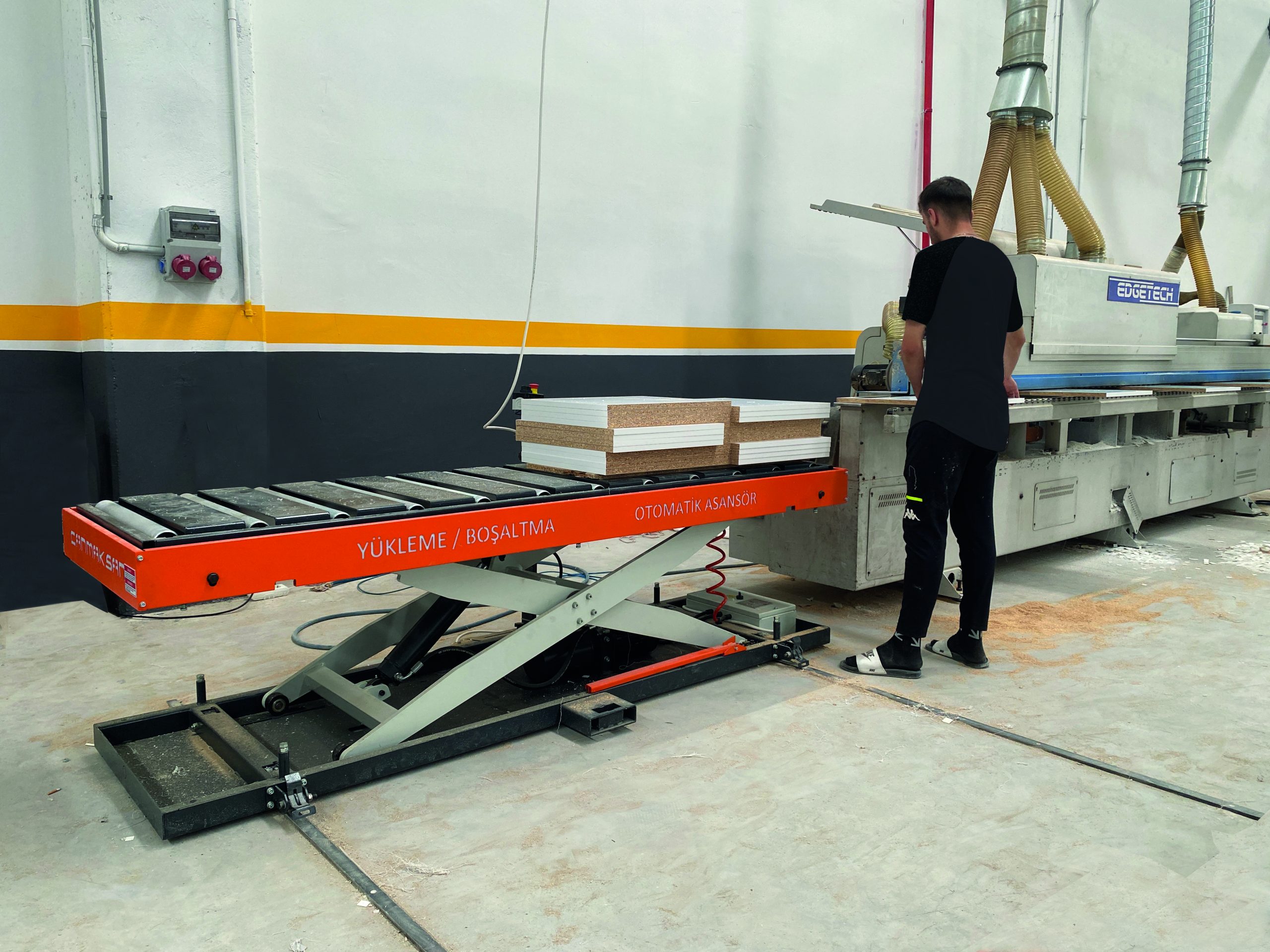
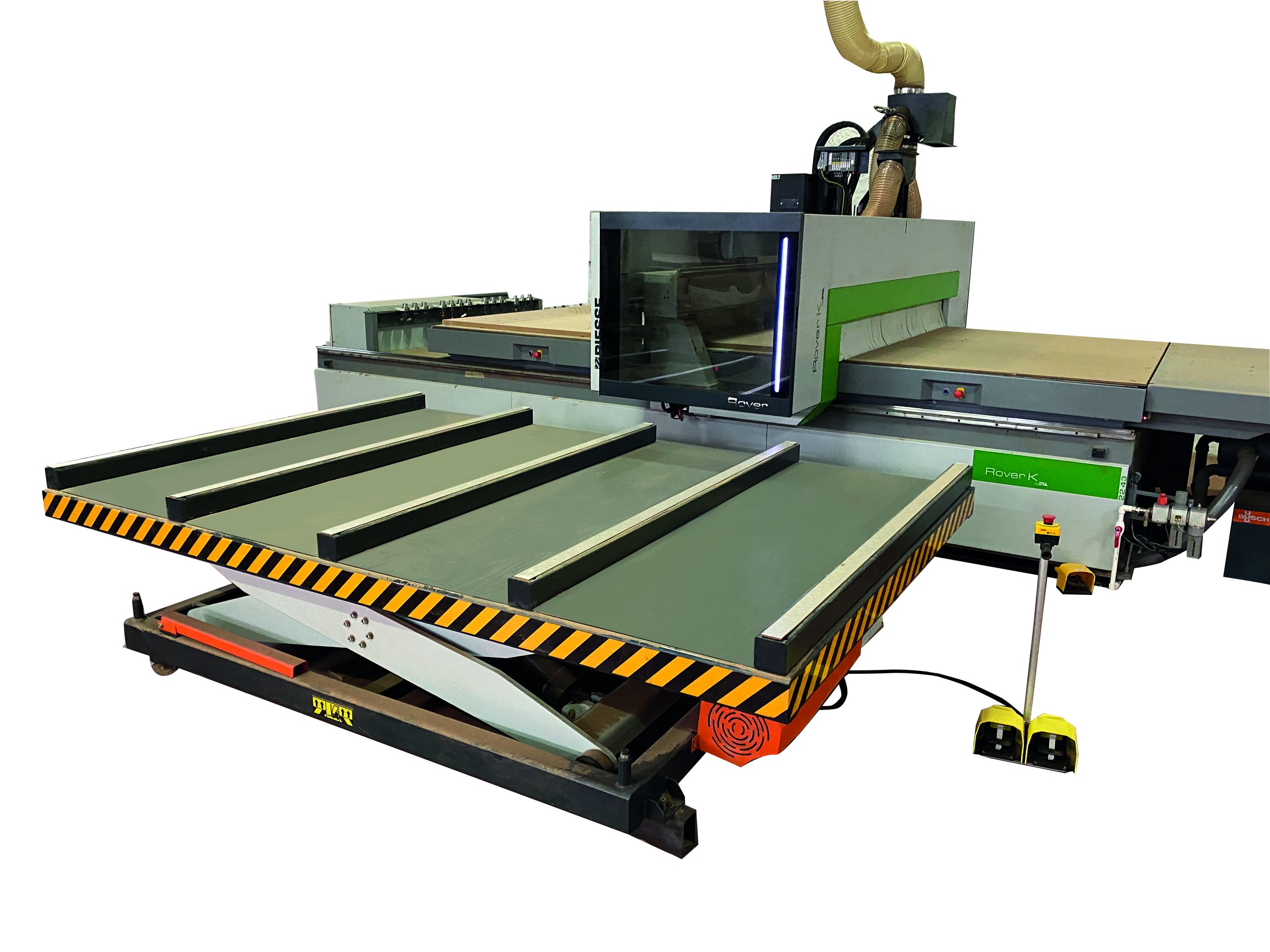
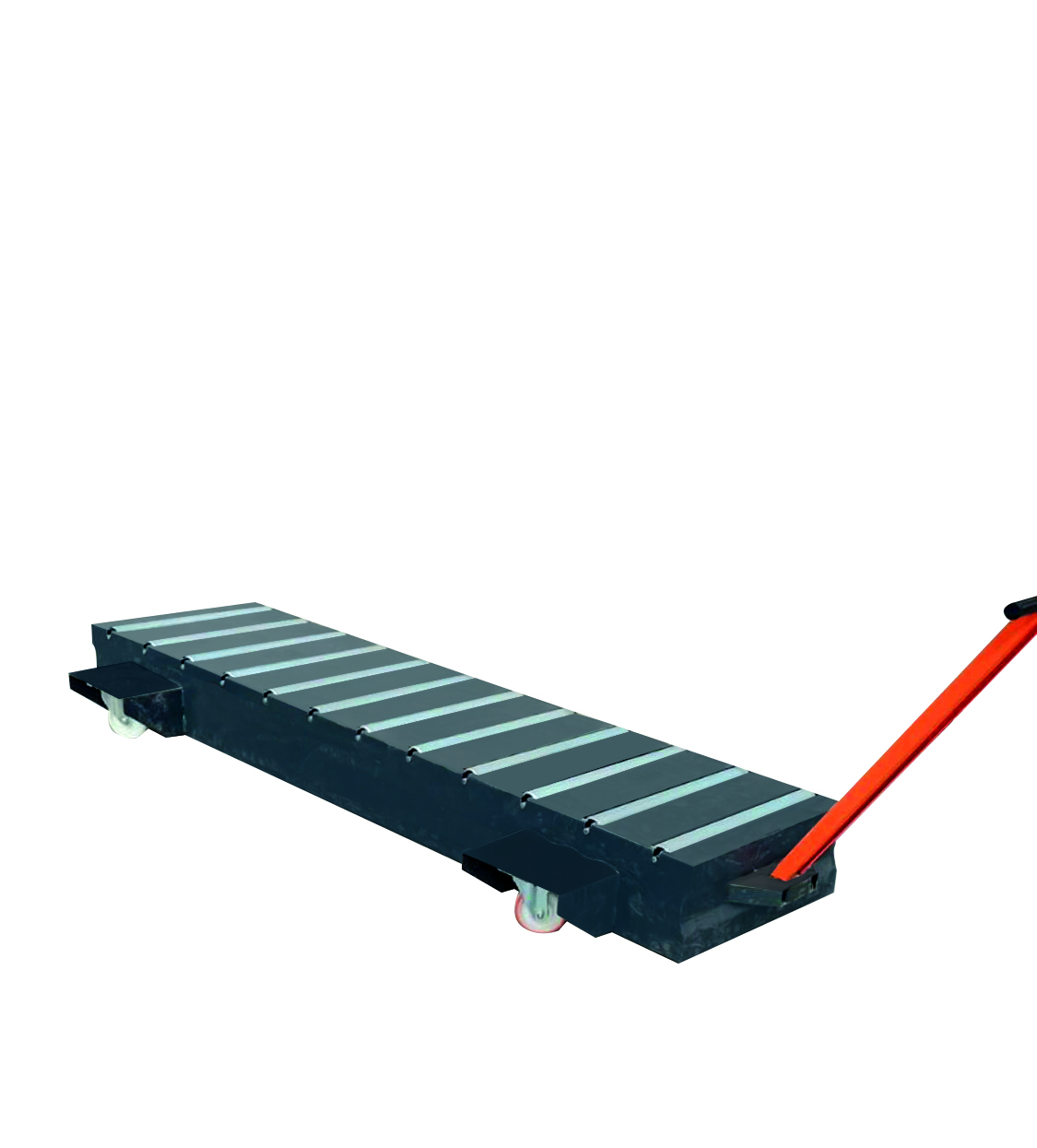
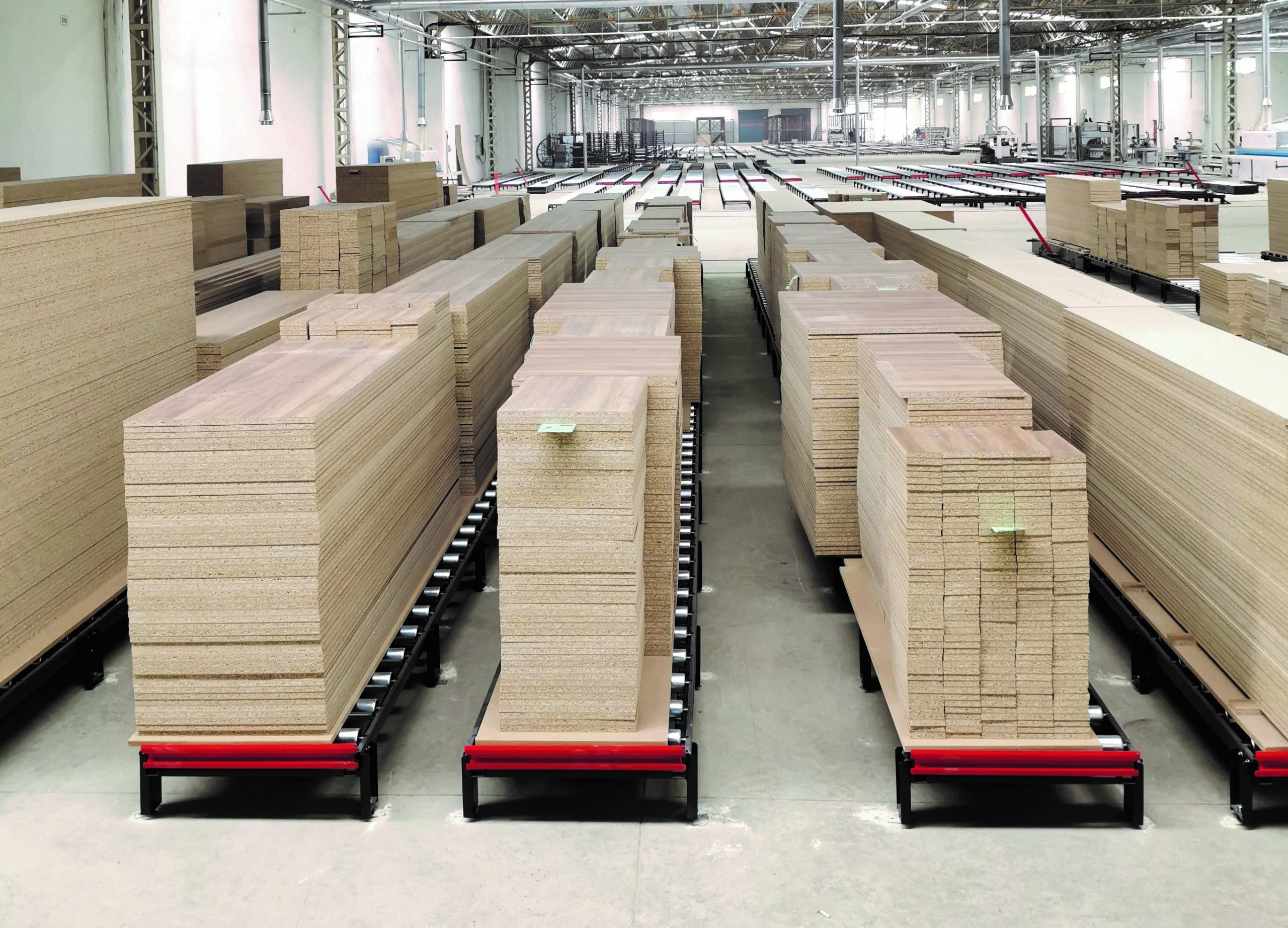
At a panel saw outfeed, a belt conveyor can carry cut parts along a defined route to the next workstation. In edge banding and CNC cells, the conveyor is positioned according to the required infeed or outfeed direction. Consider a manual roller conveyor where operators push parts along a fixed route, or a roller transfer trolley for stations outside the fixed line. Compare these options under Industrial Panel Handling Systems. When the next operation is inspection or edge banding, define the handover point before choosing the route. Check how operators will present parts to the next machine.
Frequently Asked Questions
Where is a belt conveyor used?
It moves material between production stations along a defined route, with a continuous surface beneath the parts.
How are conveyor dimensions selected?
The material dimensions, available floor space and position of the upstream and downstream stations determine the layout.
What should I provide for a quote?
Send part dimensions and weight, direction of travel and distance between stations. Include the height at the machine outfeed and the intended handover point.